
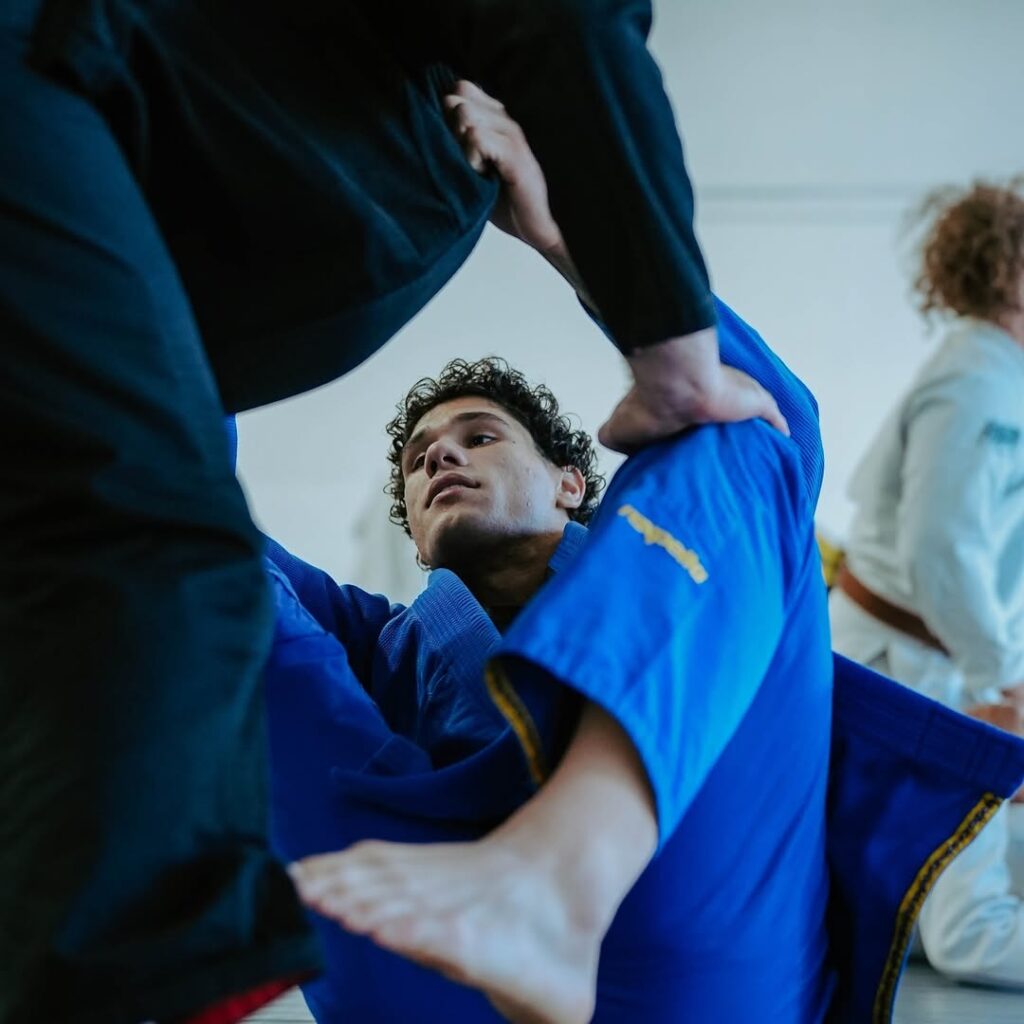
One of the breakout names in the sport’s new elite crop comes from the school of Marcio André. He is a black belt from Rio de Janeiro whose life changed through Jiu-Jitsu, and today he works full time in the sport in the United States. Luiz Victor Maxnuk has a great role model in his coach. Both overcame a lack of opportunities to build careers as professional athletes. Determination, paired with the ability to make good choices, was a key tool along the way.
In his first year as a black belt, Luiz Victor, who was promoted last year, already owns a silver medal at the Europeans and an appearance at The Crown, the IBJJF gi grand prix that handpicks the sport’s top names. Luiz’s next Grand Slam event is the Pans in Florida, where he will compete at medium heavyweight. He will arrive at the tournament with a dangerous reputation, thanks to recent runs at local IBJJF events in the U.S. At two Opens, in Los Angeles and Orange County, the Brazilian added three gold medals to his collection.
In an interview with The Mat Nation, Luiz Maxnuk said he is living a phase he always pictured in his mind before he actually reached the elite level.
“I’m happy because I’m managing to show my work as a professional athlete. That was always my goal: to reach black belt, the elite of the sport, and put together a good run. I’m happy, but not satisfied. I plan to aim higher,” he said.
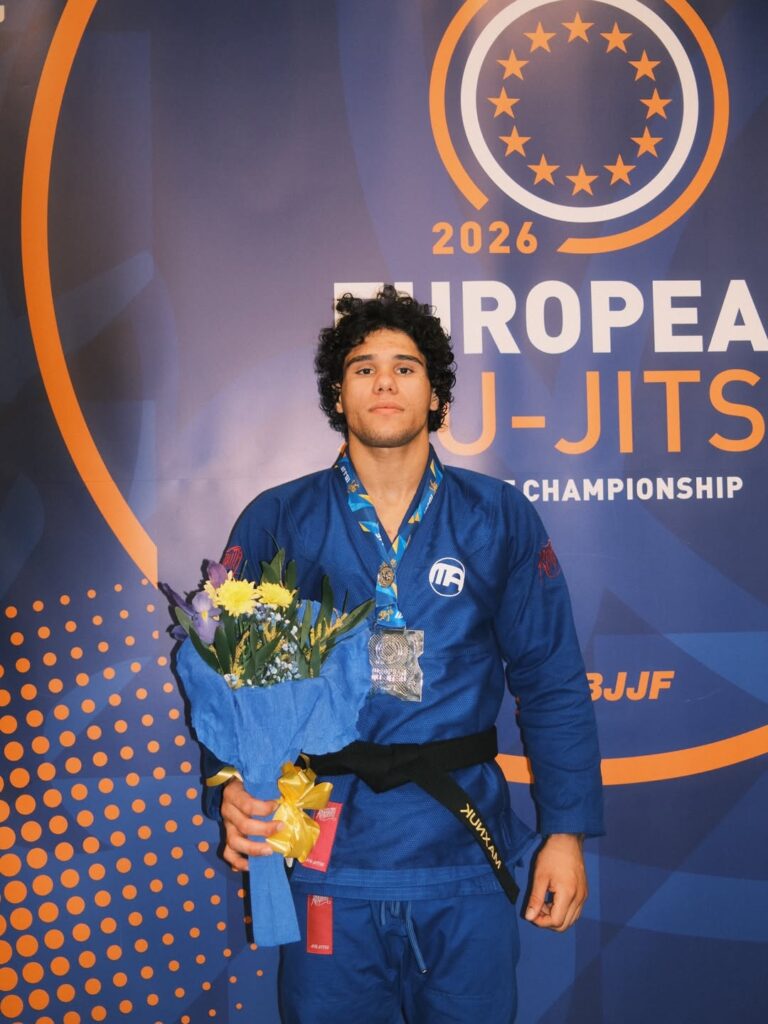
VERSATILE: LUIZ MAXNUK LIKES AN ADAPTABLE GAME THAT CHANGES WITH THE NEEDS OF EACH MATCH
The Europeans open the season of major IBJJF events. It is the first Grand Slam, followed by the Pans, Brazilian Nationals and Worlds. It is also the tournament that tends to reveal which athletes will stand out the most over the season. Luiz is on that short list. To take medium heavyweight silver, in a final against Eduardo Alves, another talent fresh to the elite, Maxnuk had to move through the division with authority. Along the way, he picked up a win over Uanderson Ferreira, an athlete with a unique style and more competitive experience.
“Tactically, I always try to adapt my game the best way possible depending on who the opponent is. If I think the best approach is to attack a lot, I do it. If I think I should control the match more, I do it. I think that’s more or less what happened at the Europeans,” he explained.
GRATITUDE TO HIS COACH: AN INVITATION FROM MARCIO ANDRÉ CHANGED LUIZ VICTOR’S OUTLOOK ON LIFE
Luiz Victor started Jiu-Jitsu early, in 2013, when he was 10 years old. The environment won the boy over. He loved the competitive spirit of the sport as he climbed through the colored belts. As an adult, already away from Jiu-Jitsu, Luiz enlisted and served in the Army. It was a learning experience, but Jiu-Jitsu never stopped making sense in the young man’s life. Marcio André changed the game when he offered him a chance to go to the United States and commit 100% to being an athlete. Luiz accepted without a second thought. The rewards he is reaping today, starting with his Pans title at brown belt, show he chose the right path.
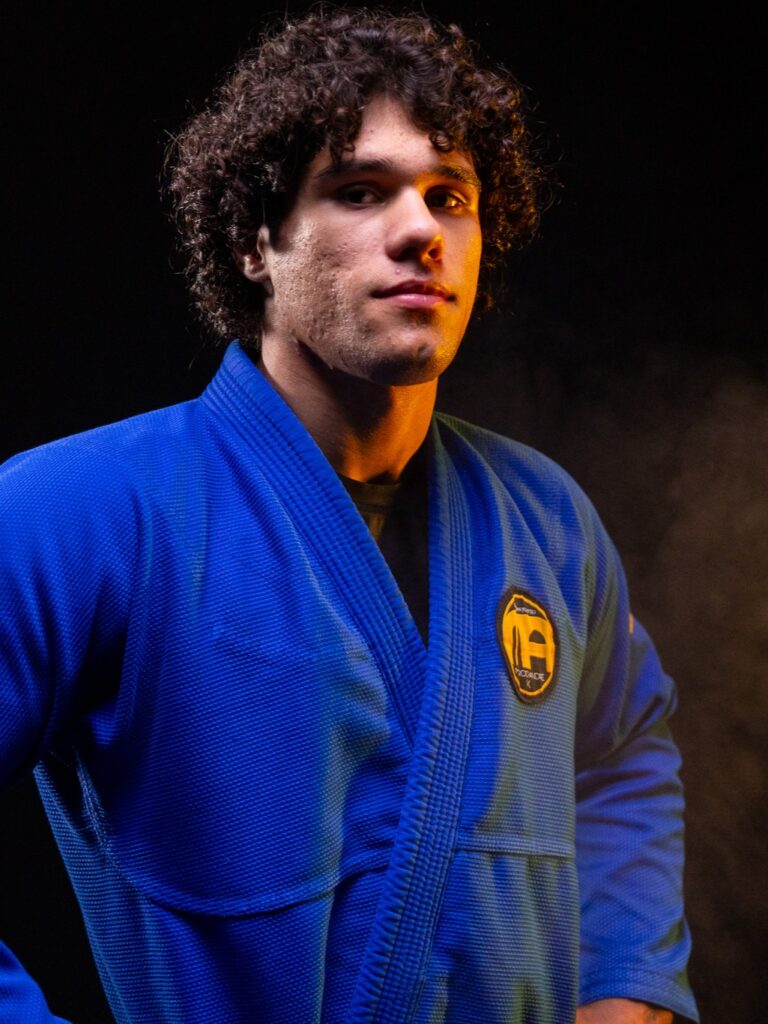
“I had been away from Jiu-Jitsu for three years, and leaving my country and my home to try something totally new and different was really hard. Marcinho always helped me and never let me give up. That’s why I say I’ll always be grateful to him. He changed my life,” he said.
The Pans in Kissimmee, which start at the end of this month, are now Luiz Victor’s main focus. Registered at medium heavyweight, he could run into athletes like Danylo Wruck, Mikael Rhaillander, Luccas Lira and Tommy Langaker. In other words, it’s a towering wall to climb to earn the gold medal. For the Marcio André representative, that isn’t scary. He is committed to polishing the best version of himself every day, in a routine that is very demanding physically and mentally.
“I’ve had a lot of losses and tough moments. But all of that made me stronger, more resilient, and taught me to trust God and overcome everything. I’m training hard and pushing myself a lot to reach my best version. Not just at the Pans, but at every competition,” he stressed.
This article was originally published in Portuguese: read the original version.